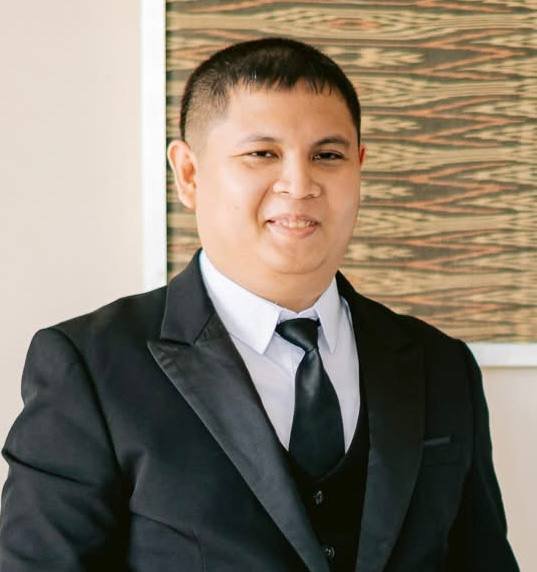
Morongo casino is adding executive leadership for both of its gaming properties as California card room regulations continue to draw scrutiny from tribal operators.
Morongo casino has named Damon Sandoval chief executive of both Morongo Casino Resort & Spa and Casino Morongo near Palm Springs. Sandoval spent 20 years on the Morongo Band’s Tribal Council and was vice-chairman of the California Nations Indian Gaming Association in 2015. The appointment was reported Tuesday.
- Sandoval’s Tribal Career
- Running Two Properties As One Team
- Card Room Exclusivity In California
- The TPPP Rule Debate
Morongo casino has named Damon Sandoval chief executive of both Morongo Casino Resort & Spa and Casino Morongo, according to Indian Gaming. The appointment places one operator at the head of two properties that sit close together in the Morongo Band’s territory near Palm Springs, California.
Sandoval has spent 20 years on the Morongo Band’s elected Tribal Council, where he worked on policy-making, strategic planning and economic development. In 2015, he was elected vice-chairman of the California Nations Indian Gaming Association. His operational experience at the venues dates back to his time as assistant general manager of Casino Morongo, which he ran when the property reopened after renovations.
Tribal Chairman Charles Martin backed the decision, saying Sandoval’s knowledge of the business and the tribe’s values made him the right choice. Sandoval described the appointment as an honour on behalf of his tribe and said the properties fund tribal government, programmes and future generations. Tribal Chairman James Siva of the California Nations Indian Gaming Association said the card room ruling was something the association had advocated for for a decade.
Sandoval’s Tribal Career
The Morongo Band’s appointment is unusual because it blends two skill sets that rarely sit in the same seat. Sandoval has managed the casino floor operation while also sitting on the body that sets tribal policy and governs the gaming enterprise. That combination gives the new CEO an internal view of the rules that govern both properties.
His role as vice-chairman of the California Nations Indian Gaming Association gives him a statewide network. The association represents gaming tribes across California, so Sandoval has direct exposure to the regulatory decisions that shape every tribal property in the state. That reach is valuable for a two-property group that must comply with the same card room framework.
The timing of the appointment also matters. Sandoval joins the executive team months after the state changed its card room regulations for blackjack-style games and player-dealer rotation. The tribes said those changes preserve their exclusivity in the face of illegal gambling, and the new CEO will manage the properties under that framework.
Running Two Properties As One Team
The two Morongo properties are distinct operations in the eyes of the National Indian Gaming Commission, which lists them as separate facilities. Casino Morongo is the original venue, while Morongo Casino Resort & Spa opened in 2004 and sits as the larger, resort-scale property.
Separate licences and separate listing do not mean separate businesses. Both properties rely on the same tribal gaming authority, the same player base and the same regulatory framework. A single executive across the two operations allows the tribe to coordinate staff, standards and marketing, which matters when the two venues compete for the same visitors.
The appointment also reflects a practical shift in how the tribe manages its assets. Previously, each property had its own management track. Under Sandoval, the two operations report to a single chief executive, which should simplify decision-making and reduce the risk of inconsistent standards across the gaming floors.
AGBrief covers tribal gaming and regulation across the United States.
Card Room Exclusivity In California
California gaming tribes won exclusivity for casino gaming in 2000. Recent changes to card room regulations on blackjack-style games and the rotation of player-dealers were designed to uphold that exclusivity. The tribes said the rules close off space that illegal gambling had been moving into.
The rooms operate under a pari-mutuel betting framework, which over time has generated new table game variants and the involvement of third-party providers of proposition players. Siva’s association has backed the recent decision as a win, but the expansion of variants means the framework is evolving rather than simply holding its ground.
The TPPP Rule Debate
Third-party proposition players are the newest pressure point. These providers supply players for specific table games, and their use has raised questions over legality, licensing and whether the games stay within tribal exclusivity. Siva said the association firmly believed the variants and the third-party providers were illegal house-banked games that violate tribal exclusivity and sovereignty.
The rule debate affects how the new chief executive will operate the properties. If the framework tightens around TPPPs, Morongo casino will need to adjust its table game mix, staffing and supplier relationships. The appointment arrives at the point where the framework is changing, and the new leader will have to manage both properties under a ruleset that is still being tested in court and before regulators.
Frequently Asked Questions
Who has been named to lead Morongo casino?
Damon Sandoval has been appointed chief executive of Morongo Casino Resort & Spa and Casino Morongo. He served 20 years on the Morongo Band’s Tribal Council, was vice-chairman of CNIIGA in 2015 and previously ran Casino Morongo as assistant general manager.
What does the appointment cover?
Sandoval leads both gaming properties near Palm Springs, coordinating their operations as one management team. The National Indian Gaming Commission still lists the venues as separate facilities, so the appointment covers oversight rather than merging the two licences.
Why is Sandoval’s tribal background important?
His 20 years on the Tribal Council and his CNIIGA vice-chairmanship give him direct insight into the policy decisions that govern tribal gaming. That is useful for a chief executive who must operate two properties within California’s card room rules and exclusivity framework.
What changed in California card rooms?
Recent changes to card room regulations cover blackjack-style games and the rotation of player-dealers. The tribes said the rules uphold their casino gaming exclusivity won in 2000, while pari-mutuel betting has inspired new table game variants over time.
What are TPPPs and why are they contested?
Third-party proposition players supply players for specific table games, and their use has raised questions about legality and tribal exclusivity. CNIIGA chairman James Siva called the related variants illegal house-banked games, while the tribes welcomed the recent regulatory decision.
This article has been thoroughly researched and reviewed by the CasinoBait editorial team to ensure accuracy and relevance for Asian casino players.